
Wind Region D Explained
- January 6, 2026
- Posted by: Container Domes
- Category: Blog
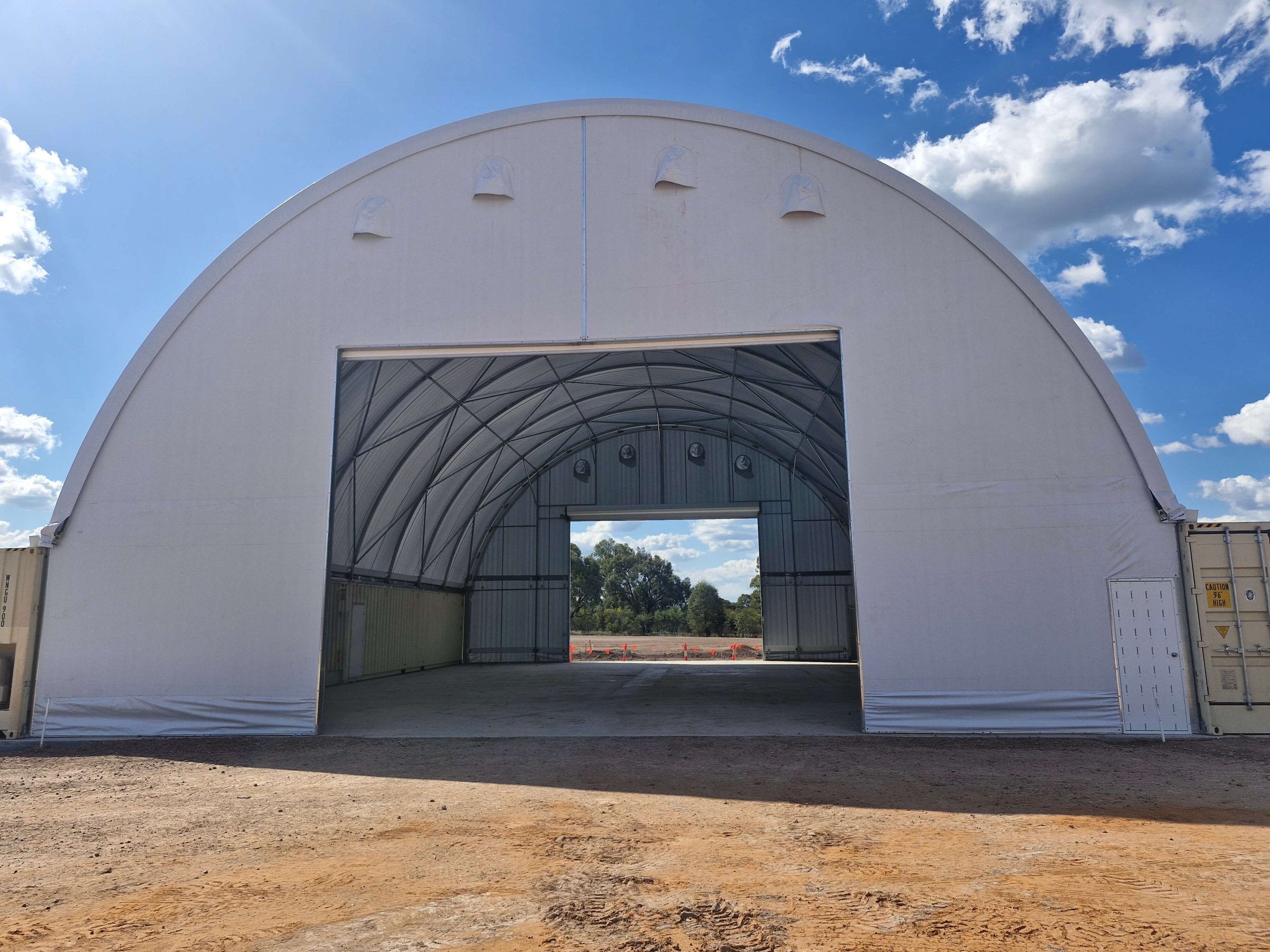
What Is Wind Region D? In short, Wind Region D is Australia’s highest cyclone rating, requiring structures to withstand wind speeds of up to 69 metres per second. That’s roughly 250 kilometres per hour and is the kind of wind that turns loose equipment into projectiles and flattens inadequate infrastructure.
This classification covers WA’s northern coastline, the Pilbara region, and the Kimberley, and if you’re operating in these areas, wind region ratings are the difference between maintaining operations throughout the cyclone season and shutting down for weeks while you replace cyclone-damaged infrastructure.
This is where Container Domes Australia comes in. We make and engineer our container domes to the specifications required for each order – including wind region D specifications, which means they’re built to handle whatever our WA climate throws at them. This makes them important structures to safeguard your business and assets.
What Wind Region D Certification Actually Requires
Getting Region D certification isn’t a matter of ticking boxes. Structures must comply with AS/NZS 1170.2:2021, which sets out exactly how buildings and shelters need to perform in cyclonic conditions.
Here’s what that involves:
- Structural calculations proving the shelter can handle 80 m/s wind gusts
- Analysis of how wind hits the structure from different directions
- Assessment of how the structure responds to sustained wind pressure
- Verification that every connection point holds under maximum load
- Complete documentation of materials and how they’re put together
Our engineering team runs 3D analysis and design on every structure to validate performance before manufacturing begins, so when we deliver a shelter solution to a Region D location, it comes with full engineer certification. That documentation proves compliance and gives your procurement team exactly what they need for regulatory sign-off.
Where Wind Region D Applies In Western Australia
The WA Government’s NCC 2022 state variation maps out where cyclone-rated construction is mandatory. The boundaries cover:
- Coastal areas from Exmouth north through Broome to the Kimberley
- Remote mining operations across the Pilbara region
- Port facilities along the northwest shelf
- Oil and gas infrastructure support bases
- Regional centres including Port Hedland, Karratha, and Derby
These aren’t theoretical risks. The Australian Bureau of Meteorology records show these regions regularly experience tropical cyclones. In fact, recent seasons have delivered multiple severe systems, including Tropical Cyclone Ilsa which made landfall as a category 5 system near Port Hedland in April 2023. The question isn’t whether severe weather will happen, it’s whether your infrastructure will still be standing when it does.
Why Region D Certification Matters For Remote Sites
Mining, oil and gas, and logistics operations in WA’s cyclone zones deal with infrastructure challenges that directly impact the bottom line. When cyclones hit unprotected sites, the costs add up fast:
- Without proper protection, operations may face shutdowns averaging 7-14 days per cyclonic event
- Equipment takes damage from wind-driven debris and exposure
- Entire sites need evacuation, stopping production completely
Wind Region D certified shelters address these problems head-on. The certification demonstrates regulatory compliance, which matters when auditors show up. More importantly, it means your infrastructure actually protects what’s inside when winds reach 250 km/h.
For remote deployments, our twistlock mount system eliminates the need for hot works permits entirely. On regulated mining sites where permit approvals can add days to your timeline, that’s not just convenient, it’s a substantial cost saving.
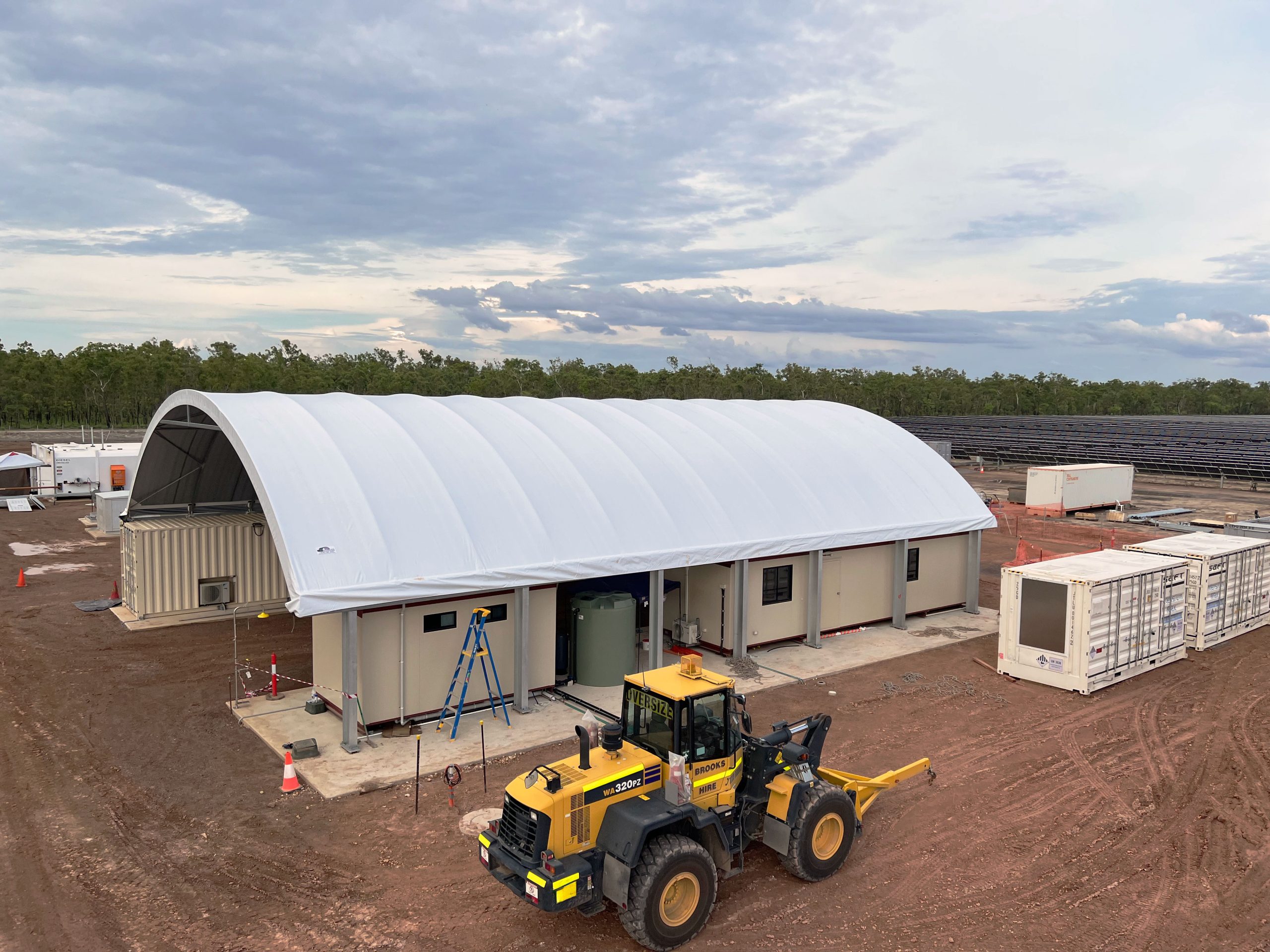
Recent projects include two 10-metre wide by 12-metre long domes for a urea plant on the Burrup Peninsula near Karratha. These Region D certified structures demonstrate our capability to deliver fit-for-purpose infrastructure for critical industrial operations in cyclone-prone locations.
How Wind Regions Compare Across Australia
| Wind Region | Design Wind Speed | Typical Locations | Cyclone Rating |
| A | Up to 45 m/s | Southern inland areas | Non-cyclonic |
| B | Up to 57 m/s | Coastal NSW, VIC, SA | Non-cyclonic |
| C | Up to 66 m/s | QLD coast, northern NSW | Cyclone Category 1-2 |
| D | Up to 80 m/s | WA northwest, NT | Cyclone Category 3-5 |
Wind Region D structures automatically exceed requirements for all lower classifications, and this means that the infrastructure engineered for the Pilbara will perform anywhere in Australia.
Choosing The Right Cyclone Rated Shelter For WA Conditions
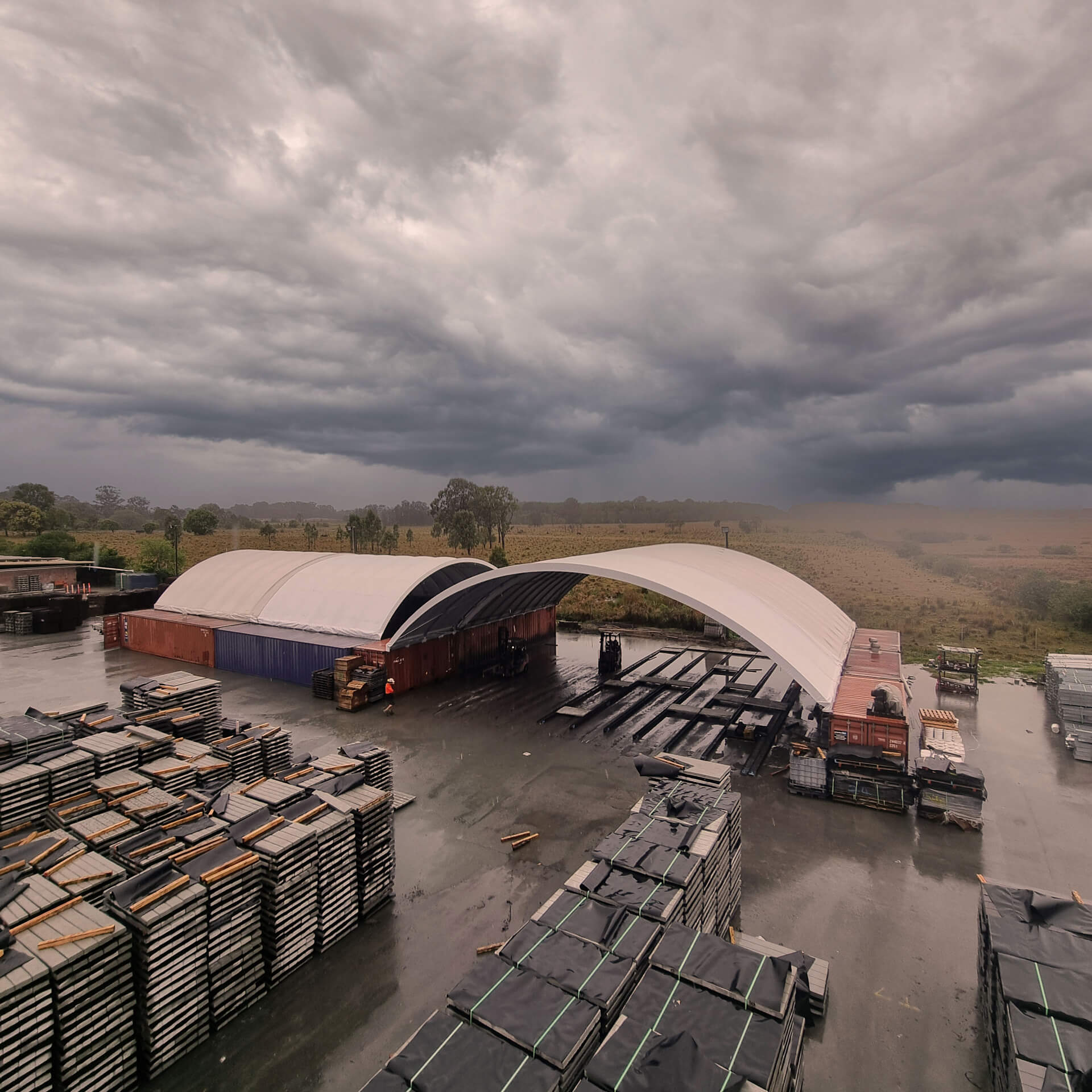
Container Domes Australia manufactures relocatable structures engineered specifically for Australian conditions. We work directly with our clients, their suppliers, and our team of engineers and designers to deliver solutions that match operational requirements exactly.
Our standard domes range from 6m wide up to 21m, and we are able to then customise any size outside of that for you. That flexibility means your infrastructure can expand as operations grow, without compromising structural integrity.
Experience The Container Domes Australia Difference
We’ve been experts in steel fabrication and structural design for over 11 years, and this means that we understand the pressures of keeping infrastructure operational in demanding environments. Our ISO 9001 and ISO 45001 certification guarantees manufacturing quality and safety management throughout the process, and, importantly, every project includes engineered footing design, fabrication, and full certification. We also offer turnkey delivery options including installation coordination and final regulatory sign-off.
If you’re ready to experience the difference that Container Domes Australia can make to your WA mining operation, then contact our mining solutions specialists today.